
Home Insulation Explained
Materials, Room by Room Use, and How Insulation Improves Comfort in NZ Homes
Insulation is one of the most important elements of a comfortable, energy efficient home, yet it is often misunderstood or overlooked during building and renovation projects. Good insulation helps keep homes warmer in winter, cooler in summer, and quieter year-round, while also reducing heating costs and condensation issues.
In New Zealand homes, insulation needs to perform well in changing temperatures, high humidity, and varying building styles. Choosing the right insulation material and installing it in the right areas makes a noticeable difference to how a home feels and functions.
At Te Marua Linings, insulation is treated as a key part of creating healthy, comfortable living spaces, not just a compliance requirement.

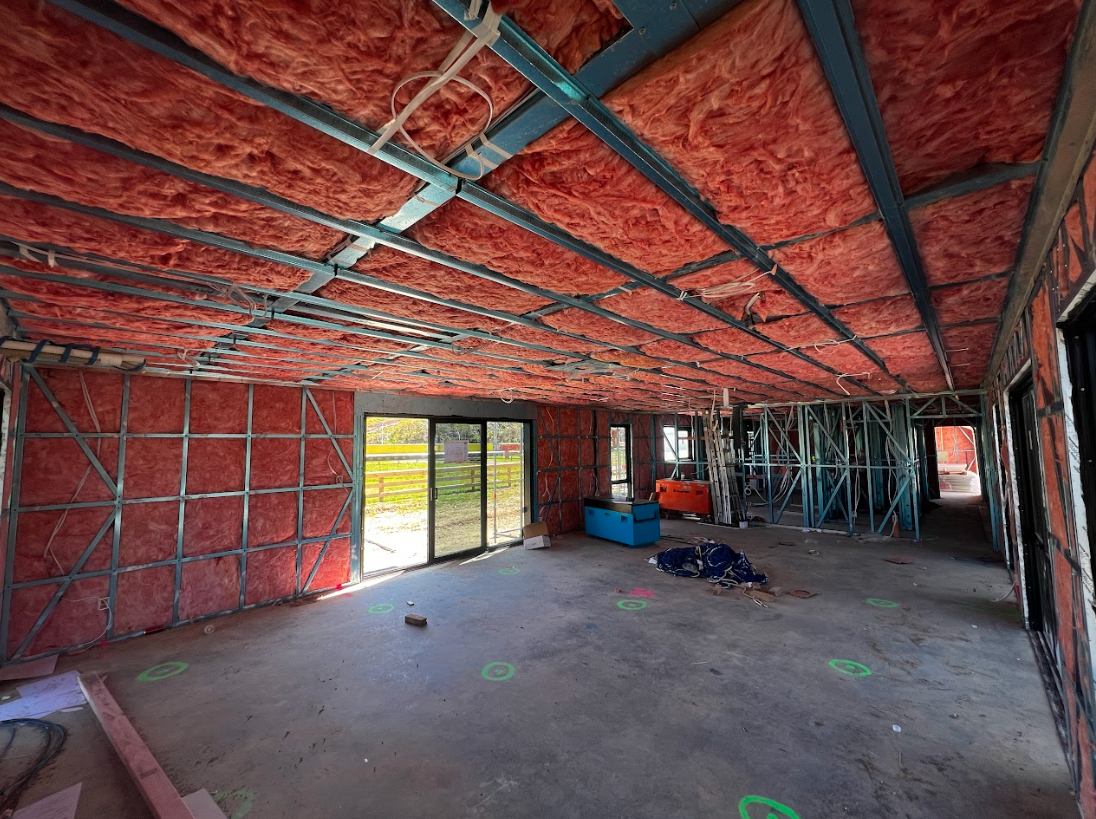
Why Insulation Is So Important in Residential Homes
Insulation works by slowing the movement of heat. In winter, it helps keep warmth inside the home. In summer, it reduces heat entering from outside. Without proper insulation, homes lose heat quickly, leading to colder rooms, higher power bills, and increased condensation.
Good insulation also improves indoor comfort by keeping temperatures more consistent between rooms. Homes that are well insulated are easier to heat, feel drier, and place less strain on heating systems.
In addition to temperature control, insulation plays a role in reducing noise transfer between rooms and between different levels of the house, which is especially important in modern homes with open layouts and multiple occupants.
Common Insulation Materials Used in NZ Homes
Glasswool Insulation
Glasswool is one of the most commonly used insulation materials in New Zealand. It is lightweight, flexible, and made from recycled glass. It traps air within its fibres to reduce heat transfer and also provides some sound absorption.
Glasswool is commonly used in ceilings, walls, and between floors. It is cost-effective and suitable for most residential applications when installed correctly.


Polyester Insulation
Polyester insulation is made from recycled plastic fibres. It is non-itchy, easy to handle, and resistant to moisture absorption. This makes it a popular choice for walls and ceilings, particularly in homes where moisture control is a concern.
Polyester also performs well acoustically, making it useful for sound control between rooms.
Rigid Board Insulation
Rigid insulation boards are used in specific situations where space is limited or where higher thermal performance is required in thinner profiles. They are often used in renovations or specific wall systems rather than throughout an entire home.


Acoustic or Sound Control Insulation
Acoustic insulation is designed primarily to reduce sound transfer rather than heat loss. These products are denser than standard thermal insulation and are commonly used in internal walls and between floors.
While most insulation provides some sound absorption, acoustic insulation is purpose-designed for noise control.
Insulation by Area of the House
Ceiling Insulation
Ceilings are one of the most important areas to insulate, as a large amount of heat is lost upward. Good ceiling insulation helps keep warmth inside during winter and reduces heat buildup in summer.
Common materials used include glasswool and polyester insulation. Ceiling insulation has a major impact on overall home comfort and energy efficiency.
Wall Insulation
Wall insulation helps regulate temperature and reduce drafts, particularly in external walls. It also improves sound control between rooms when used in internal walls.
Wall insulation is typically installed during new builds or major renovations, as access is required before lining is completed.
Underfloor Insulation
Underfloor insulation reduces heat loss through the floor and helps keep rooms warmer and more comfortable, especially in homes with timber floors or raised foundations.
This type of insulation also helps reduce cold air movement from under the house and can make a noticeable difference to comfort in winter.
Choosing the Right Insulation for Each Room
Living rooms and open-plan areas benefit from strong thermal insulation to maintain consistent temperatures. These spaces are often heated the most, so good ceiling and wall insulation helps retain warmth and reduce energy use.
Bedrooms should be insulated for both warmth and comfort. Insulation helps maintain a stable sleeping temperature and reduces noise from other parts of the house.
Bathrooms and laundries require insulation that performs well in humid conditions. Moisture-resistant materials and proper installation help prevent condensation and dampness.
Garages may not require the same level of thermal insulation as living areas, but insulation can help reduce temperature extremes and noise transfer into the house, especially when garages are attached.


Soundproofing and Acoustic Insulation in the Home
Soundproofing insulation is particularly useful in areas where noise transfer can be disruptive. It is commonly used in:
- Bedrooms adjoining living areas
- Bathrooms next to bedrooms
- Home offices
- Media rooms
- Between floors in multi-storey homes
Acoustic insulation helps absorb sound within walls and ceilings, reducing the transmission of voices, televisions, and household noise. While it does not make a room completely soundproof, it significantly improves privacy and comfort.
Using acoustic insulation in internal walls does not usually add high cost when planned early, but it can make a big difference to how a home feels once occupied.
Insulation and Home Warmth Considerations
Insulation works best when combined with good sealing and ventilation. Gaps, poor installation, or compressed insulation can reduce performance. Correct installation ensures the insulation maintains its thickness and coverage.
A well-insulated home heats more efficiently, cools more slowly, and maintains more even temperatures throughout the day. This not only improves comfort but also supports healthier indoor conditions by reducing condensation and dampness.

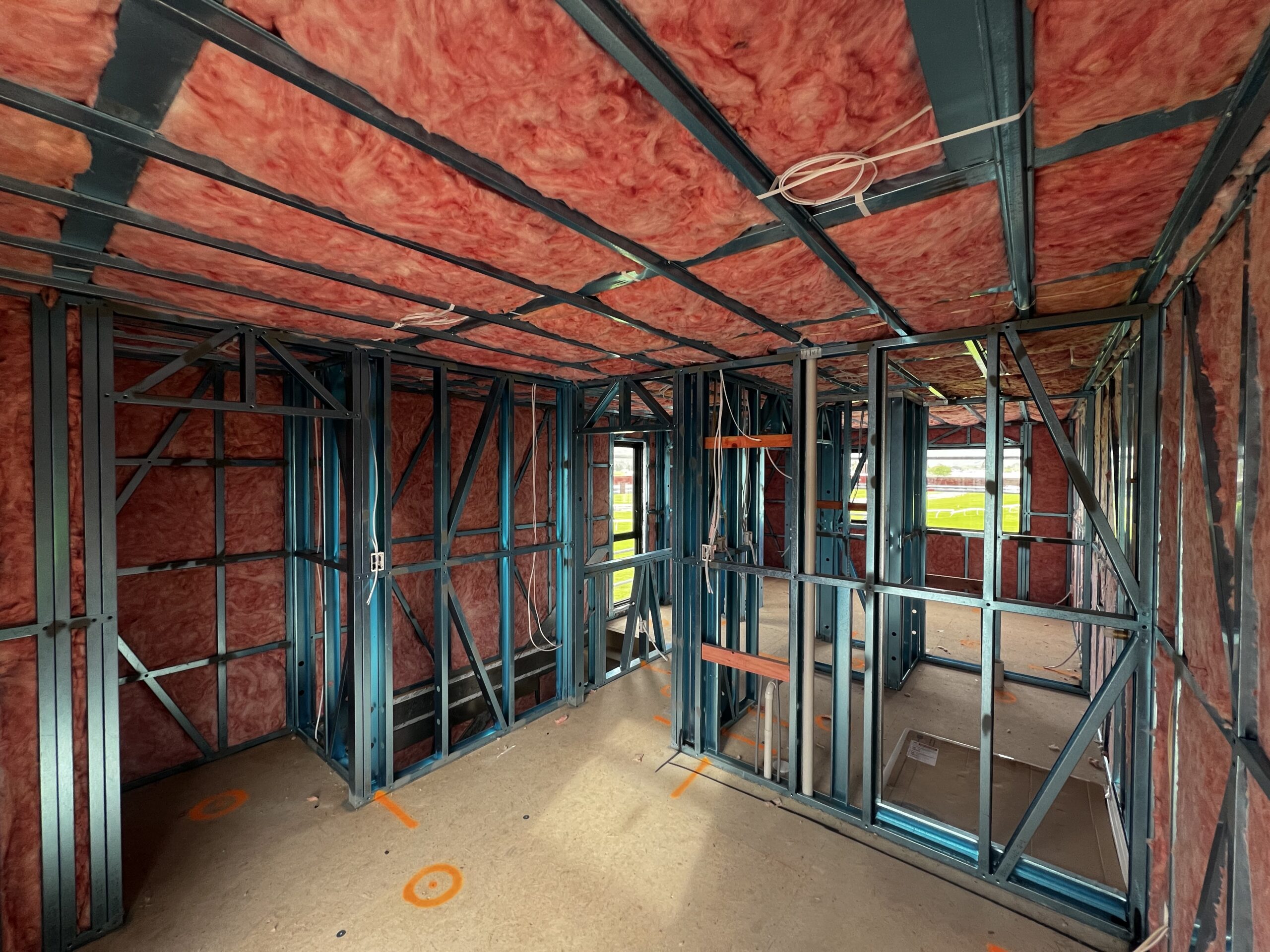
Making the Right Insulation Choices
The best insulation solution is rarely the same for every home. It depends on the age of the house, construction type, layout, and how the spaces are used.
Planning insulation early allows the right materials to be used in the right places, whether the priority is warmth, sound control, or both.
Final Thought
Insulation is a long-term investment in comfort, energy efficiency, and liveability. Choosing the right materials and installing them correctly makes a noticeable difference every day, not just during extreme weather.
Te Marua Linings helps homeowners select and install insulation solutions that suit real NZ homes, real climates, and real living needs.

Start With a Conversation
Get in touch today and experience straightforward, reliable GIB fixing services in Wellington. We’re here to make it easy.