The Stage That Defines the Quality of Your Home’s Interior
When building or renovating a home, it is easy to focus on the finishes you can see straight away, paint colours, kitchens, flooring, and fittings. What often gets overlooked is the stage that sits underneath all of that. GIB fixing and stopping is what shapes your walls and ceilings long before the paint goes on, and it plays a major role in how clean, straight, and durable your interior will be over time.
For residential homes, the quality of GIB installation affects everything from how light moves across a room to whether cracks or joins appear months or years later. Done properly, it creates smooth, consistent surfaces that simply disappear once painted. Done poorly, it leaves flaws that no amount of paint can hide.
If you are planning a renovation or new build and want to avoid visible joins and cracking later, you can get in touch with Te Marua Linings for practical advice on the right approach for your home.
What GIB Fixing and Stopping Actually Means
GIB fixing is the process of installing plasterboard sheets onto the framing of your walls and ceilings. This includes measuring, cutting, positioning, and securing the boards so they sit flat, aligned, and stable. How the sheets are laid out, where joins fall, and how well they are fixed all influence how strong and crack-resistant the surface will be.
GIB stopping comes next. This is where joints, corners, and screw fixings are plastered, reinforced, and smoothed out so that the surface becomes continuous. It is the stage that prepares the walls and ceilings for paint, and it is also where imperfections either disappear or become locked in.
These two stages work together. If the fixing is not right, stopping becomes harder, and the final finish suffers.
Which GIB Is Used Where in a Residential Home
Different areas of a home experience different conditions, so the type of GIB used changes depending on the space.
Areas of your house
Standard plasterboard
Moisture-resistant GIB
Fire-rated GIB
Location
Bathroom
Living areas
Hallways
Dining rooms and general dry spaces
Toilets
Laundries
Kitchens, particularly near cooking and washing zones
Garages
Areas needing fire separation
Specific wall or ceiling systems, depending on consent requirements
Ceilings often require
Combining quality plastering, efficient insulation, and targeted soundproofing transforms your house into a comfortable, long-lasting home.
Thicker plasterboard
Careful fixing to prevent sagging
Extra attention to joins and lighting direction
Not sure what board type your project needs, especially for bathrooms, kitchens, or garages? Send through your plans or a quick description of the spaces, and we can help you confirm the right GIB for each area.
The Residential GIB Installation Process
Preparing the framing
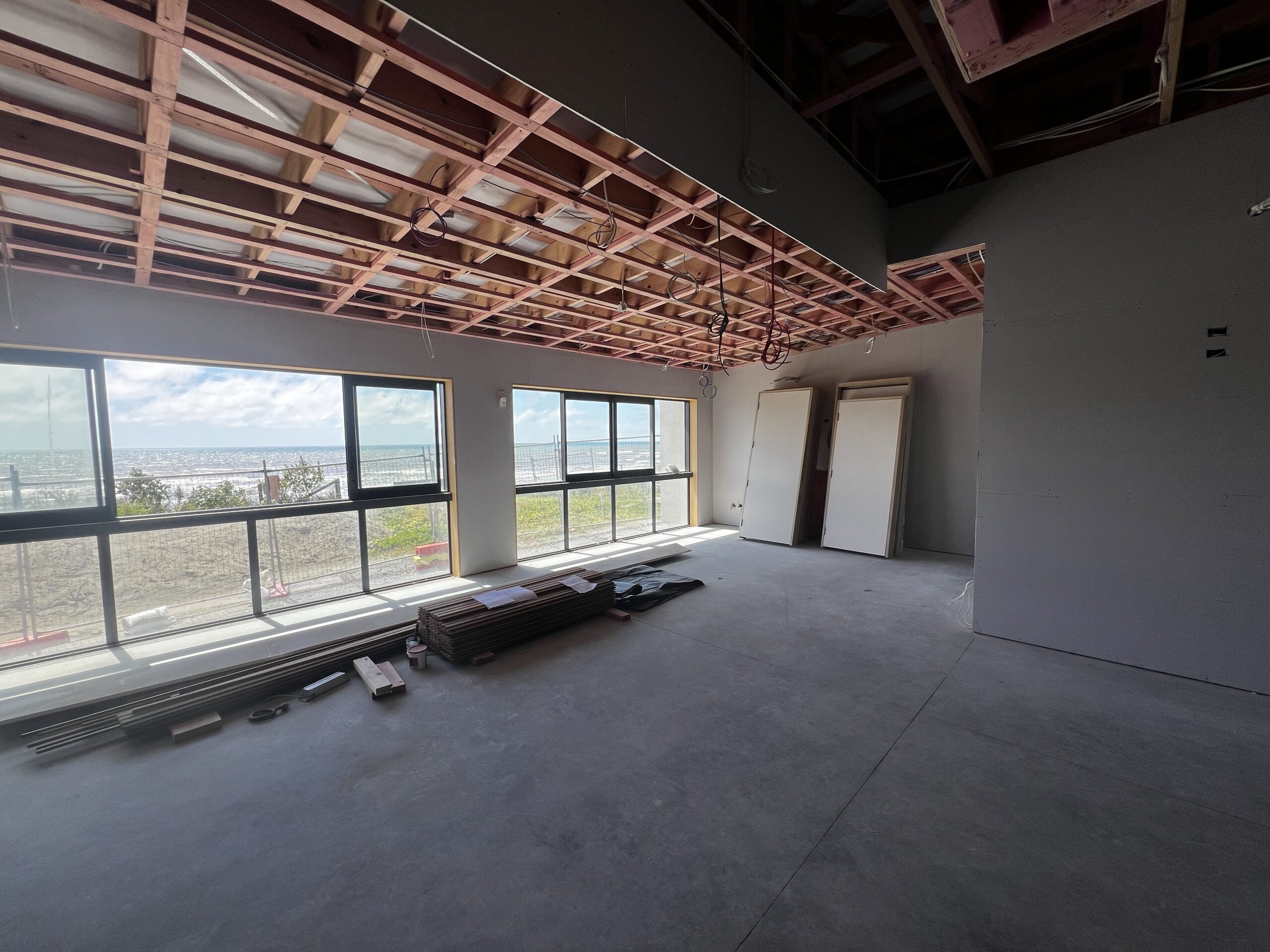
Before any GIB is installed, the framing must be checked. Walls and ceilings need to be straight, secure, and evenly spaced. If the framing is twisted or uneven, the plasterboard will follow it, and that shape will show through later. This stage also confirms that insulation is installed correctly and that the building is dry enough to begin lining.
Planning sheet layout
Good results start with planning. Sheet layout determines where joins fall and how movement is managed across the wall or ceiling. Proper layout avoids long continuous joins and reduces stress points, particularly around doors, windows, and corners where cracking is more likely to occur.
Fixing the sheets
Sheets are then installed using the correct fixing pattern and screw depth. Screws need to sit just below the surface without damaging the board face. Overdriven fixings weaken the board, while underdriven fixings cause problems during stopping. Consistency at this stage is key to achieving flat, stable surfaces.
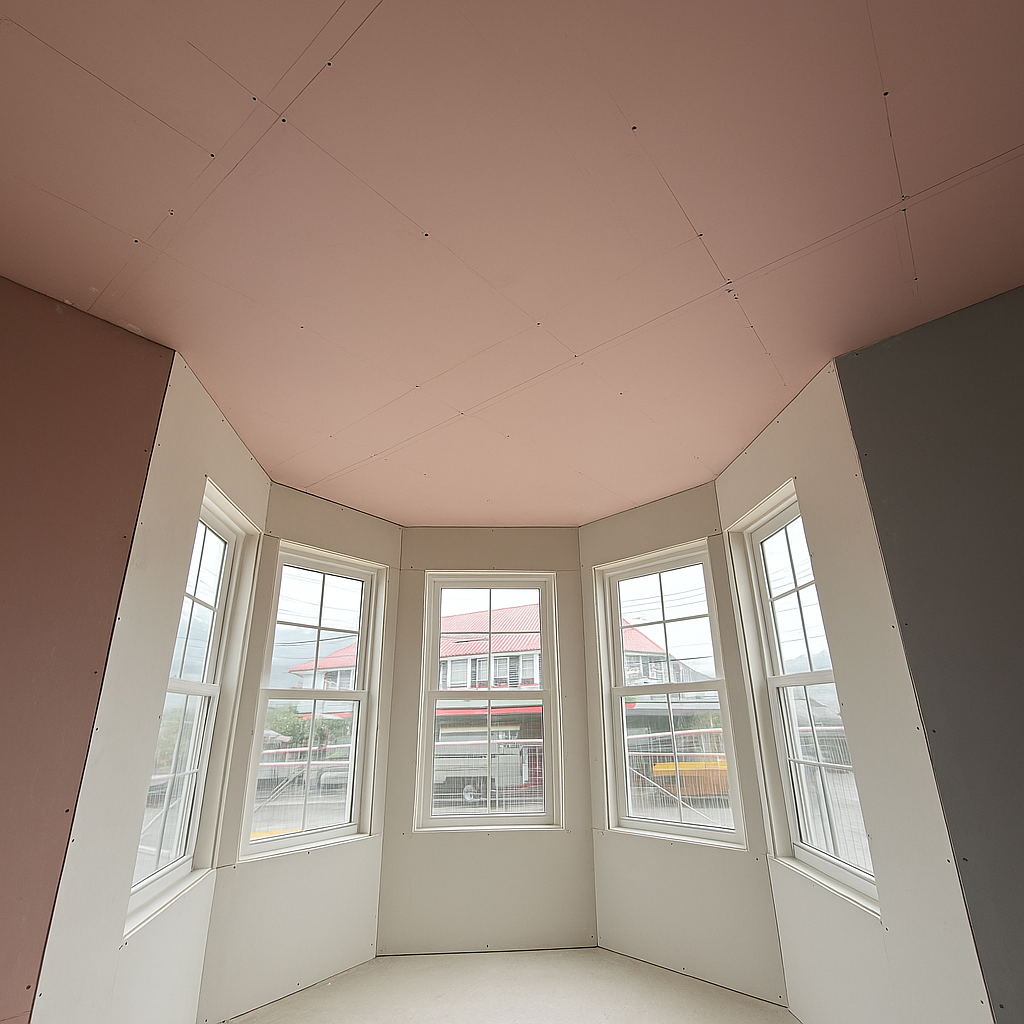
Ceilings are usually installed first, followed by walls. Heavier ceiling sheets require careful handling and correct spacing to maintain long-term performance.
Checking before stopping
Before stopping begins, the installed boards should be checked for alignment, clean joins, and correct fixing. This step prevents the stopping compound from being used to hide installation issues, which often leads to uneven surfaces or visible lines after painting.
Stopping and finishing
Stopping involves taping joints, applying multiple coats of compound, and sanding between stages. Each layer needs time to dry properly. Rushing this process can cause shrinkage, cracking, or shadow lines that only become visible once paint and lighting are applied.
In homes with strong natural light or modern lighting, this stage becomes even more important. Small imperfections can stand out if the stopping is not done with care.
What Best Practice Looks Like for Homeowners
From a homeowner’s perspective, best practice means walls and ceilings that look smooth from every angle. Joins stay hidden, corners remain crisp, and the finish holds up as the house settles over time. Achieving that outcome relies on correct board selection, careful fixing, and stopping that is done patiently and consistently.
This is why the early stages matter so much. Once the plasterboard is installed and finished properly, painting becomes straightforward, and the final result feels clean and polished rather than patched together.
Why Experience Matters with GIB Work
GIB fixing and stopping is not just about applying plaster. It requires an understanding of how homes move, how light behaves across surfaces, and where stress points are likely to occur. Experienced installers know how to prevent issues before they appear, rather than trying to fix them later.
If you want a second opinion before your lining stage starts, book a quick chat with Te Marua Linings, and we’ll help you understand what to look for, what to ask, and how to avoid common issues.
Final Thought
If you are building or renovating, it is worth paying attention to how your GIB work will be done, not just what it will look like at the end. Asking about board types, ceiling thickness, join layout, and stopping methods can make a real difference to the long-term quality of your home.
Te Marua Linings focuses on getting the GIB stage right, because when the foundation is solid, everything that follows works better.
Start With a Conversation
Get in touch today and experience straightforward, reliable GIB fixing services in Wellington. We’re here to make it easy.